
Intelligent Process Automation Explained
In today’s fast-paced digital landscape, businesses that fail to embrace automation are at risk of falling behind. Imagine streamlining your workflows, enhancing customer experiences, and cutting down operational costs—all at once. That’s precisely what Intelligent Process Automation (IPA) promises. As the blend of artificial intelligence, robotic process automation, and advanced analytics continues to evolve, organizations are witnessing a transformative shift in how they operate. But what exactly is IPA, and why is it being hailed as the future of business efficiency?
What Is Intelligent Process Automation?
At its core, Intelligent Process Automation is the next generation of automation technologies. It goes beyond traditional Robotic Process Automation (RPA) by integrating artificial intelligence (AI), machine learning (ML), natural language processing (NLP), and cognitive automation. These technologies empower systems not only to perform tasks but to understand, learn, and adapt as they work.
While RPA automates structured, repetitive tasks, IPA can handle unstructured data, make decisions, and even predict outcomes. That makes it an essential part of digital transformation strategies for companies aiming to future-proof their operations.
How Does IPA Differ from Traditional Automation?
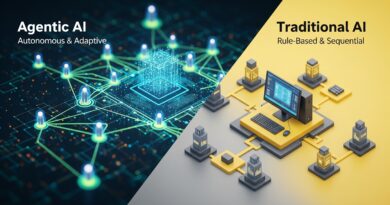
The distinction lies in the level of intelligence. Traditional automation executes tasks based on rules, whereas IPA brings in adaptability. For instance, traditional systems might flag an invoice for missing data, but IPA systems can extract missing data using OCR, validate it, and process the invoice without human intervention.
Furthermore, Intelligent Process Automation can manage dynamic processes. Whether it’s managing customer support tickets, analyzing large volumes of data in real-time, or responding to anomalies in financial transactions, IPA takes automation to a new level of responsiveness and efficiency.
Core Technologies Behind Intelligent Process Automation
To better understand the power of IPA, it’s crucial to look at the technologies driving it:
Robotic Process Automation (RPA)
This is the foundation layer that handles repetitive, rule-based tasks. It mimics human actions like data entry, transferring files, or logging into applications.
Artificial Intelligence (AI) and Machine Learning (ML)
AI and ML allow IPA systems to make data-driven decisions. They learn from patterns, predict outcomes, and continuously improve over time.
Natural Language Processing (NLP)
With NLP, IPA tools can understand and interpret human language. This enables automated systems to process customer queries, extract key information from documents, or even summarize reports.
Optical Character Recognition (OCR)
OCR technology helps convert various types of documents—like scanned papers, PDFs, or images—into machine-readable data, which can then be processed automatically.
Process Mining
IPA uses process mining to analyze event logs from IT systems, providing insights into how processes are performed and identifying areas for improvement.
Real-World Applications of IPA in Business
Organizations across sectors are rapidly adopting IPA to gain a competitive edge. From finance to healthcare, the applications are vast and impactful.
Banking and Financial Services
In the financial sector, IPA automates regulatory compliance, fraud detection, and loan processing. Banks use IPA for intelligent document processing and automatic KYC verification. This significantly reduces errors and operational delays.
Healthcare
Hospitals and clinics utilize IPA to manage patient records, billing, appointment scheduling, and insurance claims processing. It frees up healthcare professionals to focus on patient care rather than administrative tasks.
E-commerce and Retail
Retailers apply IPA in inventory management, order fulfillment, and customer service. By analyzing customer behavior and preferences, IPA also supports personalized marketing strategies.
Insurance
From underwriting to claims management, IPA simplifies and accelerates workflows. Intelligent bots extract and verify information, assess risks, and even interact with customers.
Human Resources
Recruitment, onboarding, payroll processing, and employee data management can all be enhanced through IPA. HR teams benefit from reduced manual workloads and improved accuracy.
Benefits of Implementing Intelligent Process Automation
The advantages of adopting IPA are not just technical—they’re strategic. Companies that integrate IPA can achieve:
Increased Efficiency
Automating end-to-end processes leads to faster execution and fewer bottlenecks. Employees can shift focus to high-value tasks that require creativity or strategic input.
Cost Reduction
IPA significantly cuts down labor costs, operational overhead, and the expenses associated with manual errors and rework.
Enhanced Customer Experience
By automating routine customer interactions and personalizing responses, businesses can offer quicker resolutions and more satisfying experiences.
Better Compliance
IPA ensures consistent and traceable workflows, reducing compliance risks and making audits easier and more reliable.
Improved Scalability
As businesses grow, IPA allows them to scale operations without proportionately increasing their workforce or infrastructure.
Challenges to Consider When Adopting IPA
Like any innovation, IPA comes with its set of challenges. However, recognizing these early can help businesses plan and execute more effectively.
Integration Complexities
Merging IPA with existing systems can be technically complex. It may require restructuring legacy systems or upgrading infrastructure.
Data Privacy Concerns
Because IPA often handles sensitive data, ensuring data privacy and protection is critical. Companies must implement robust security protocols.
Workforce Resistance
Employees may fear job displacement due to automation. Transparent communication and upskilling programs can help ease these concerns.
High Initial Investment
Although IPA offers long-term savings, initial deployment costs can be high. ROI may take time depending on the complexity of the processes being automated.
Best Practices for a Successful IPA Strategy
To unlock the full potential of Intelligent Process Automation, companies should follow a strategic approach:
Start Small and Scale Gradually
Begin with pilot projects in departments that will benefit most—like finance or customer support—then scale based on results.
Prioritize Use Cases
Identify high-impact, repetitive processes first. Focus on areas where automation can deliver measurable value quickly.
Collaborate Across Departments
Cross-functional collaboration ensures all stakeholders understand the goals and limitations of IPA, facilitating smoother adoption.
Invest in Training
Upskilling your workforce ensures that employees can work effectively alongside IPA systems, leveraging their capabilities rather than competing with them.
Monitor and Optimize
Ongoing monitoring allows businesses to measure performance, detect issues early, and make necessary adjustments for continuous improvement.
The Future Outlook of Intelligent Process Automation
The future of IPA is not just promising—it’s inevitable. As AI becomes more advanced and data more accessible, IPA will evolve from a competitive advantage to a necessity. Future IPA systems will be able to:
- Make autonomous decisions based on real-time data.
- Interact seamlessly with humans using natural language.
- Predict market trends and adapt business processes accordingly.
Additionally, as edge computing, 5G, and cloud-native architectures mature, the deployment of IPA will become more agile and affordable.
Why IPA Matters Now More Than Ever
The global shift toward remote work, digital-first customer interactions, and real-time analytics has made intelligent automation more relevant than ever. Businesses that embrace IPA are better equipped to handle market volatility, scale operations on demand, and deliver superior value to customers.
Moreover, with the growing demand for business continuity and resilience, IPA is no longer a luxury—it’s a lifeline. It allows companies to respond faster, operate leaner, and remain competitive in a digital economy that rewards speed and innovation.
Final Thoughts
Intelligent Process Automation is more than just a buzzword—it’s a game changer. By integrating AI, ML, NLP, and RPA, IPA allows businesses to automate not just tasks, but decisions. It empowers employees, enhances customer satisfaction, and drives measurable efficiency.
Companies that invest in IPA today are laying the groundwork for future success. They are not only optimizing operations but also building a foundation for continuous innovation. The sooner your organization understands and adopts IPA, the sooner you’ll reap the rewards of smarter, faster, and more agile processes.
For more insights, visit the ClayDesk Blog: https://blog.claydesk.com