

Ethics in AI-Generated Media
Ethics in AI-Generated Media. Artificial intelligence has transformed the way we create and consume media. From hyper-realistic AI-generated images to synthetic voices that can mimic anyone, the technology feels like magic. Yet, behind the innovation lies an urgent question that shapes the future of digital culture: Can we trust what AI creates, and how should we use it responsibly? This isn’t just a tech debate. It’s a societal conversation about truth, fairness, and creative ownership. As AI-powered content production becomes mainstream, understanding the ethics behind it is not optional — it’s essential for shaping a media ecosystem that benefits everyone.
Understanding AI-Driven Content Creation
AI-generated media refers to images, videos, audio, or text produced by algorithms without direct human creation. Tools such as generative adversarial networks, large language models, and neural audio synthesizers allow content to be produced faster than ever before. These tools can create anything from a photorealistic news anchor delivering a scripted report to a synthetic voice narrating an audiobook. While this offers incredible efficiency, it also raises questions about authenticity, bias, and creative integrity.
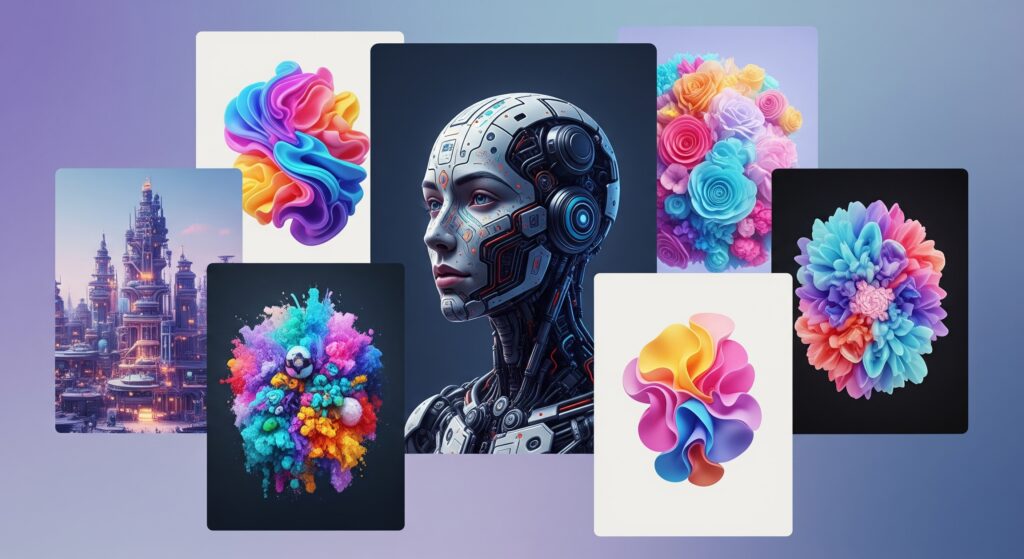
The conversation is not limited to developers and researchers. Content creators, educators, journalists, and policymakers are all grappling with the same fundamental issue: how do we ensure AI-generated media remains trustworthy? For instance, a generative model could produce a historical documentary scene that never actually happened. Even if labeled as fictional, the realism could still mislead audiences who encounter it out of context.
The Importance of Ethical Boundaries
Ethics in AI-Generated Media. Clear ethical boundaries protect both creators and consumers. Without guidelines, the same AI that can help an artist produce a vivid animated short could also be used to fabricate harmful disinformation. The difference lies in intent, transparency, and accountability.
Take deepfake technology as an example. While it has been used to create comedic celebrity impersonations, it has also been weaponized for political manipulation. An AI ethics framework should make these boundaries clear, emphasizing responsible design and distribution. Ethical boundaries also protect brands. A company that uses AI-generated marketing visuals without considering cultural sensitivity risks alienating its audience and facing public backlash.
Transparency as a Core Principle
Transparency is one of the strongest safeguards for ethical AI media creation. Disclosing when content has been AI-generated builds trust with audiences. This can be done through metadata tags, visible labels, or watermarks. The EU’s Artificial Intelligence Act, for example, includes requirements for clear labeling of synthetic media to help users distinguish between real and artificial content.
In practice, imagine a news outlet using AI to generate stock photos for breaking news coverage. If each image clearly states it is AI-generated, viewers can assess it with informed skepticism. Without that disclosure, the same images could unintentionally mislead or distort public understanding.
Addressing Bias in AI-Generated Media
Bias in AI is not theoretical — it’s a documented reality. Because AI learns from existing datasets, it can replicate and amplify stereotypes present in its training material. For example, an AI image generator trained predominantly on Western beauty standards may produce results that underrepresent or misrepresent certain cultures. This problem extends to AI-generated news articles, product descriptions, and even voiceovers.
Mitigating bias requires a combination of diverse training data, algorithmic auditing, and human oversight. Developers must also test outputs against multiple demographic perspectives. In an AI-driven video game, for instance, ensuring that character models reflect global diversity is not just an ethical choice; it’s also a business advantage that expands audience reach.
The Role of Consent in Synthetic Media
Ethics in AI-Generated Media .Consent is a cornerstone of ethical AI-generated media. Using someone’s likeness or voice without permission can be deeply invasive. Synthetic celebrity endorsements, AI-generated influencer avatars, or virtual recreations of deceased public figures all require clear legal and ethical frameworks.
For example, an advertising agency might use an AI model to recreate a famous musician’s voice for a commercial. Without explicit consent from the artist or their estate, such a campaign risks violating rights of publicity and triggering lawsuits. Respecting consent also extends to training data — scraping publicly available social media posts for AI training does not automatically make it ethical.
Intellectual Property Challenges
AI-generated media blurs traditional lines of intellectual property. Who owns an AI-generated painting created with minimal human input? The person who wrote the prompt, the developer of the AI, or the company hosting the model? Current copyright laws were not designed for these scenarios, and interpretations vary by jurisdiction.
Consider a marketing firm that uses AI to produce a brand mascot. If another company uses the same model and generates a nearly identical character, proving infringement becomes complicated. Clear policies around ownership and licensing are necessary to protect both human creators and AI-assisted works.
Real-World Case Studies
In 2022, an AI-generated image won a state fair art competition in Colorado. While the creator disclosed the use of AI, the backlash was intense. Many artists felt that the piece’s victory undermined traditional skills and set a troubling precedent. This case illustrates the importance of transparency and ongoing dialogue between AI-assisted creators and traditional artists.
Another example comes from journalism. An AI-generated video of a political figure delivering a fabricated speech went viral before being debunked. Even after the truth emerged, the clip continued to circulate, highlighting the long-term risks of misinformation in an AI-powered media environment.
Encouraging Responsible Innovation
Responsible innovation means balancing AI’s creative potential with safeguards against misuse. Developers should integrate ethical guidelines from the earliest design stages, not as afterthoughts. Companies deploying AI media tools should also invest in audience education, helping consumers understand how to critically evaluate synthetic content.
A film studio experimenting with AI-driven background environments could release behind-the-scenes content showing how the technology works. This openness not only builds trust but also encourages other creators to adopt transparent practices.
Legal and Regulatory Considerations
Legislation around AI-generated media is evolving rapidly. The United States, European Union, and several Asian countries are drafting rules that address transparency, bias, and consent. These laws aim to protect consumers without stifling innovation. However, enforcement remains a challenge, especially when content crosses international borders.
For instance, a satirical AI-generated video posted in one country could be considered defamation in another. Global platforms must navigate these conflicting laws while respecting freedom of expression.
Education as a Long-Term Solution
Ultimately, regulation alone cannot guarantee ethical AI-generated media. Education plays a critical role. Media literacy programs should teach audiences how to identify synthetic content and understand its implications. Creators, too, must be trained in ethical design principles.
Imagine a future where every high school digital media class includes a module on AI ethics. Students would learn not just how to use AI creatively, but also how to question and verify the authenticity of what they see online.
Conclusion: Building a Trustworthy AI Media Future
Ethics in AI-Generated Media. The rise of AI-generated media is one of the most significant cultural shifts of our time. While it offers exciting creative possibilities, it also demands careful ethical consideration. Transparency, consent, bias mitigation, and legal clarity are not optional — they are essential pillars for a sustainable media ecosystem.
As AI tools continue to evolve, so must our ethical frameworks. A future where AI-generated media is both innovative and trustworthy is possible, but only if creators, policymakers, and audiences work together to uphold these principles.
For more insights, visit the ClayDesk Blog: https://blog.claydesk.com