

What is AI-powered software?
AI-Powered Software?
What is AI-Powered Software? Artificial Intelligence (AI) has shifted from being a futuristic concept to a practical reality embedded in everyday tools. AI-powered software combines advanced algorithms, machine learning, and data-driven intelligence to create applications that think, learn, and improve over time. These systems automate complex tasks, enhance productivity, and deliver faster results without constant human intervention. From predictive analytics to smart virtual assistants, this technology is transforming how we live and work.
Understanding AI-Powered Applications
What is AI-Powered Software? AI-powered applications are software programs that use machine learning, natural language processing, and other AI techniques to deliver intelligent, adaptive features. Unlike traditional software that follows predefined instructions, AI-driven solutions evolve by analyzing patterns, processing real-time data, and refining outcomes based on user interactions. This adaptability makes them vital for businesses aiming to stay competitive in a rapidly evolving digital world.
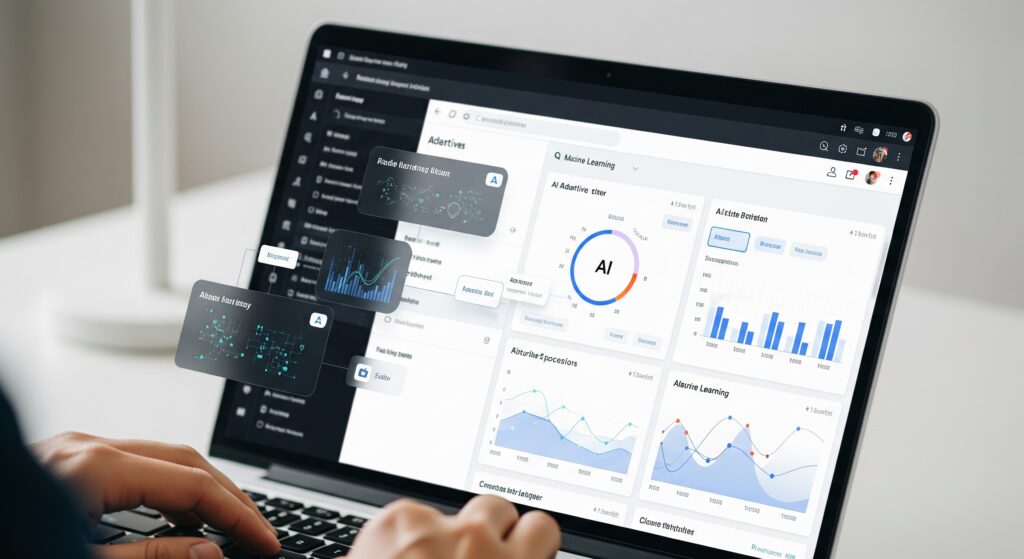
They excel at handling tasks such as automating customer support, analyzing massive data sets, and even generating human-like text responses. By learning from historical data, AI-powered applications continuously optimize performance and decision-making processes.
Core Technologies Behind AI-Powered Software
Several key technologies enable AI-driven software to function:
- Machine Learning (ML): ML allows applications to identify patterns, predict outcomes, and improve accuracy over time.
- Natural Language Processing (NLP): NLP powers voice assistants, chatbots, and language translation tools by enabling software to understand and process human language.
- Computer Vision: This capability enables software to analyze images or video content for recognition tasks, quality checks, and more.
- Generative AI: Generative models create text, images, and even code, helping businesses automate content creation and development tasks.
- Predictive Analytics: By forecasting trends and behavior, predictive models support data-driven decision-making across industries.
These technologies work together to make AI-powered tools intuitive, adaptive, and capable of improving business workflows.
Real-World Examples of AI-Powered Software
What is AI-Powered Software? AI-powered software appears across countless industries. In healthcare, diagnostic systems interpret medical images and assist in detecting conditions early. Financial platforms deploy AI for fraud detection, credit scoring, and algorithmic trading. Retailers integrate AI chatbots to handle customer inquiries instantly, improving service efficiency and response times.
Developers use AI-assisted coding tools to automate repetitive tasks, streamline debugging, and generate clean code. Meanwhile, project managers leverage intelligent task automation to track progress, forecast risks, and allocate resources effectively. Even small businesses benefit through affordable AI solutions for marketing campaigns, inventory management, and customer engagement.
Benefits of AI-Driven Software
AI-powered applications offer advantages that extend beyond basic automation:
- Increased Productivity: Automating routine tasks allows employees to focus on strategic work.
- Enhanced Accuracy: AI reduces human error by analyzing vast amounts of data with precision.
- Scalability: Intelligent software scales operations smoothly without additional staffing costs.
- Faster Decision-Making: Predictive models and real-time analytics accelerate business choices.
- Better User Experience: AI personalizes content, recommendations, and services for each user.
These benefits reshape how organizations deliver products and services while lowering operational costs.
AI in Software Development
One of the most transformative areas is software development itself. AI-powered tools assist developers with automated code generation, test case creation, and error detection. They also streamline maintenance by analyzing code dependencies and suggesting optimizations. This not only reduces development cycles but also improves overall software quality.
Automated testing driven by AI minimizes bugs, ensuring reliable applications reach the market faster. Moreover, predictive maintenance powered by AI identifies potential system failures before they disrupt workflows, reducing downtime.
Adoption Trends in AI-Powered Software
What is AI-Powered Software? Adoption rates for AI-driven software are accelerating globally. Businesses across finance, retail, healthcare, manufacturing, and technology are embedding AI in their core operations. Small businesses use chatbots and virtual assistants to reduce customer support costs, while large enterprises deploy AI for supply chain management and advanced analytics.
Recent industry surveys reveal a sharp rise in developer reliance on AI-assisted coding platforms. Organizations increasingly view AI-powered software as a strategic necessity for competitiveness rather than a mere enhancement.
AI-Powered Tools for Businesses
Here are common examples of AI-powered software businesses use today:
- Virtual Assistants: Automate scheduling, reminders, and communications.
- CRM Platforms with AI: Enhance customer relationship management with personalized recommendations.
- AI Analytics Dashboards: Turn raw data into actionable insights instantly.
- AI-Powered Security Systems: Detect anomalies and prevent cyber threats in real time.
- AI Content Generators: Support marketing teams with blogs, ad copy, and social media content.
These tools reduce manual effort, speed up workflows, and allow teams to concentrate on innovation.
Challenges of Implementing AI-Powered Software
While AI brings clear benefits, it is not without challenges. Many organizations struggle with:
- Data Privacy and Security: Sensitive data processed by AI must comply with stringent privacy regulations.
- Integration Complexity: Incorporating AI into existing workflows often requires significant adjustments.
- Skill Gaps: Teams need training to use AI effectively and interpret its outputs correctly.
- Cost of Implementation: Building or adopting advanced AI systems can involve upfront expenses.
- Trust in AI Decisions: Businesses must verify AI outputs to ensure accuracy and fairness.
Addressing these concerns involves careful planning, governance, and clear oversight.
Best Practices for Adopting AI-Powered Software
Organizations should follow best practices to deploy AI effectively:
- Start with pilot projects before full-scale rollout.
- Train teams to collaborate effectively with AI systems.
- Monitor AI outputs regularly to ensure accuracy.
- Use explainable AI models to maintain transparency.
- Focus on incremental integration to reduce disruptions.
By following these steps, companies can maximize AI’s benefits while minimizing risks.
The Future of AI-Powered Applications
What is AI-Powered Software? The future promises even more intelligent, autonomous software. AI-powered agents will manage multi-step workflows, anticipate user needs, and provide proactive assistance without direct input. Industries will see greater use of generative AI for content creation, design automation, and even full-scale application development.
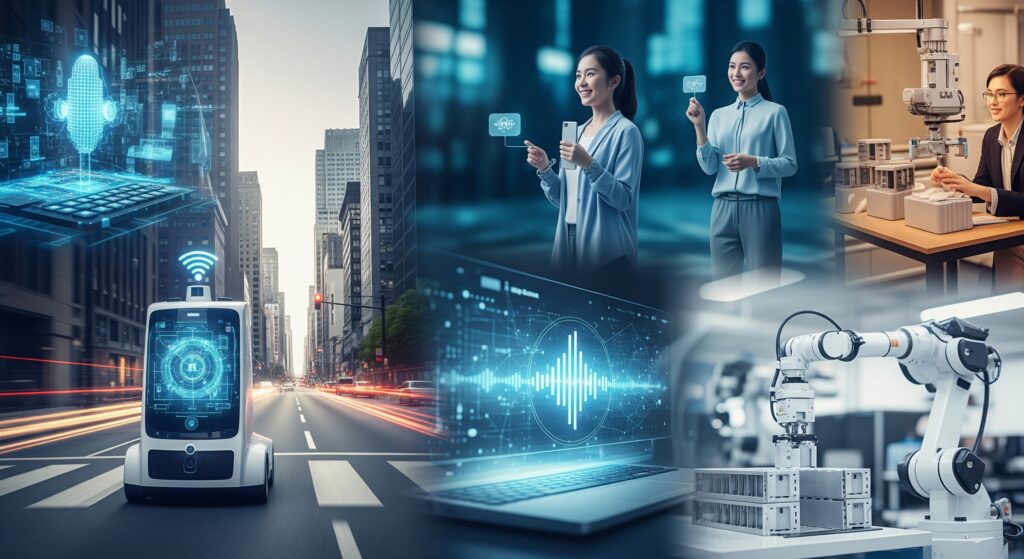
Additionally, advancements in ethical AI frameworks will improve transparency, accountability, and trustworthiness. Businesses that embrace these innovations early will gain significant competitive advantages as markets evolve.
Conclusion: Why AI-Powered Software Matters Today
AI-powered software has become an essential component of modern business operations. By combining intelligence, adaptability, and automation, it enables faster results, higher productivity, and better decision-making. Whether through customer service chatbots, automated development tools, or predictive analytics dashboards, AI-driven applications are redefining how technology serves human goals.
Organizations that adopt AI today position themselves for long-term success. As technology continues to advance, understanding AI-powered software will be vital for thriving in the digital-first economy.
For more insights, visit the ClayDesk Blog: https://blog.claydesk.com